Death and taxes

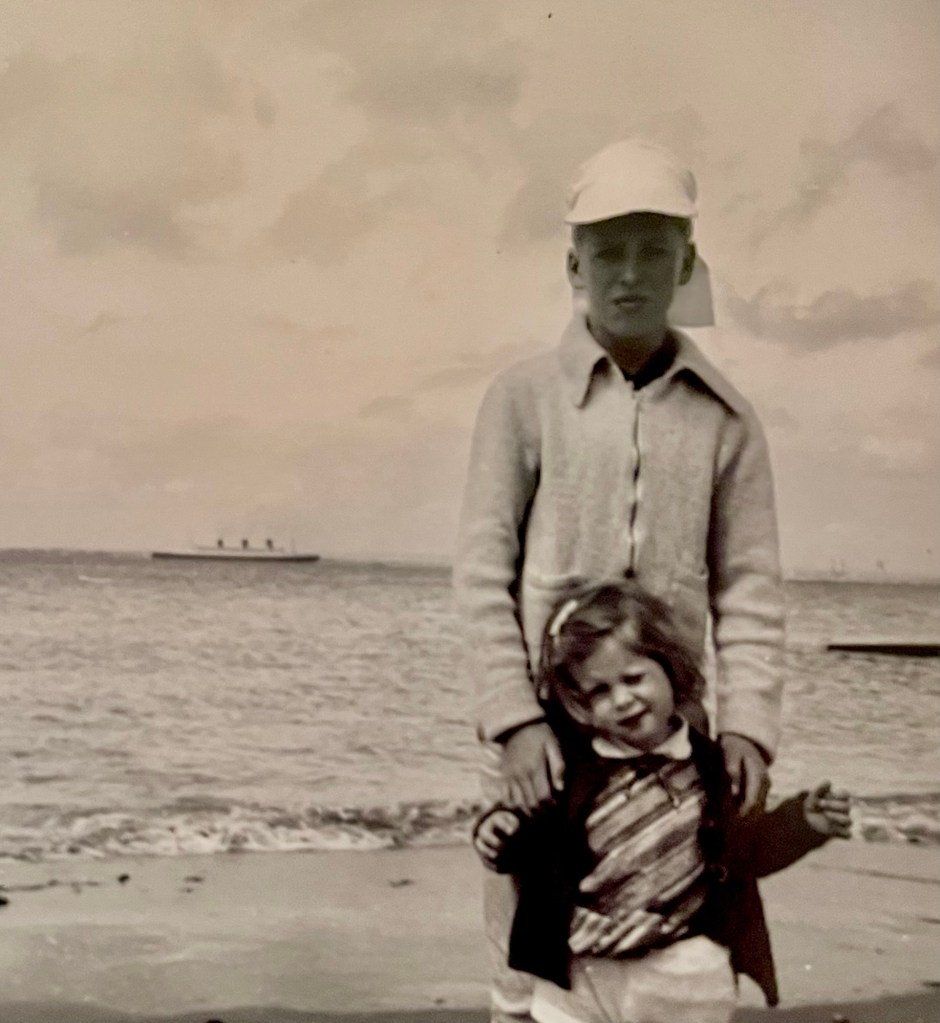
Two young people next to the sea

When you are a little girl with a big brother, you assume that they are some sort of adult. By the time you have become a teenager, they might refuse to be seen outside with you because you wear bright colours. You have access to more music and literature than your peers, though.

Two siblings at one of their weddings, 1985

When you’re middle aged, after your parents have died, you might find some common ground. We both disliked phone calls, so there were text messages for the last few decades. Mostly these referred to the weather, with a lot of colourful descriptions of hospital appointments over the last couple of years. Allegedly, if you’re unable to get to a hospital two counties away at the crack of dawn, you’re not taking your illness seriously enough. When people are unable to walk very far, it’s unlikely that they could board a train. It’s also unlikely that any public transport system will deliver them to a distant hospital very early in the morning.

There must be thousands of people trying to take their ailments seriously, yet still being criticised by overworked receptionists. Maybe it’s a plot to make symptoms worse and speed up the patients’ deaths?

Observing my brother’s end of life experience brought to mind Roger McGough’s poem Let Me Die a Youngman’s Death. I might plant some more poisonous plants in the garden for future use, rather than waiting around for any indignity at the end.

Other lives

Middle of Winter

The winter of 1985-86 was spent discussing methods of suicide. Could he wait for ten years or so, to see if circumstances changed? No. The two years of recovery after the last episode had seemed endless to him. When I pointed out that previous overdoses had inspired vomiting, so maybe the physical body had a strong life force, I was apparently ‘sick’.

The aftermath of an overdose isn’t as calm and peaceful as it appears in novels and films.

So many options, so little time

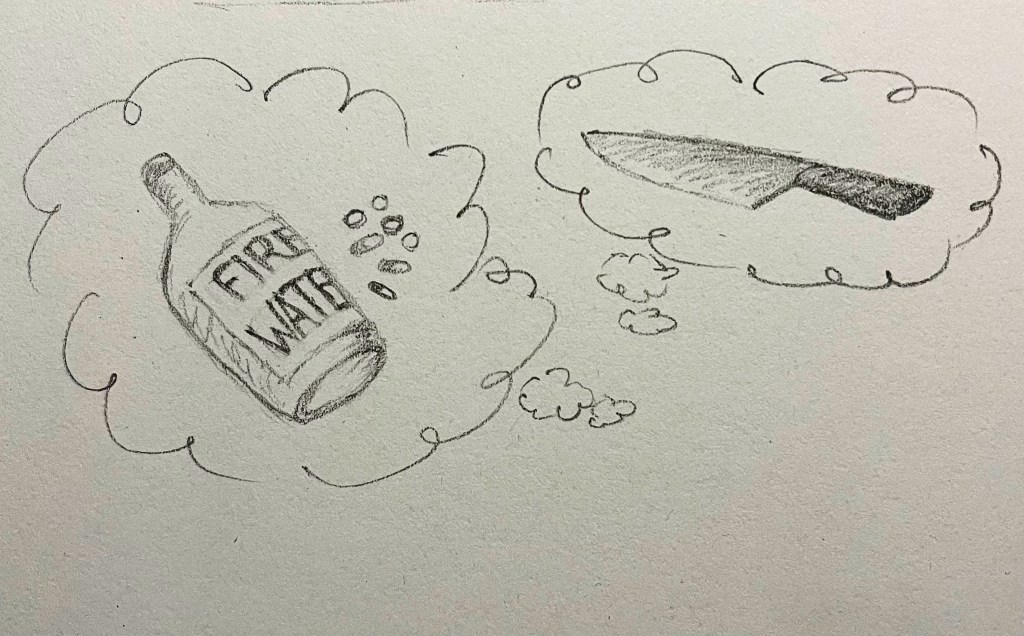
I thought I could go out for twenty minutes at a time, and would be back with suitable first aid skills. The kitchen knives were hidden. The washing line had been discreetly removed. There wasn’t any strong alcohol around, and he hadn’t been able to get a doctor’s appointment or any useful medication. He hadn’t been outside for weeks.

Who would find the deceased? When the plans seemed to be inevitable I suggested he should be close to a hospital at the end. Other people, who wanted to live, could benefit from healthy discarded organs, couldn’t they? This thought wasn’t well received.

Mostly you are the main character in the story. Sometimes you are helping someone else’s tale to unfold. There again, you might unwittingly be in the background of a much bigger drama. Your actions might affect the audience for many years hence.