
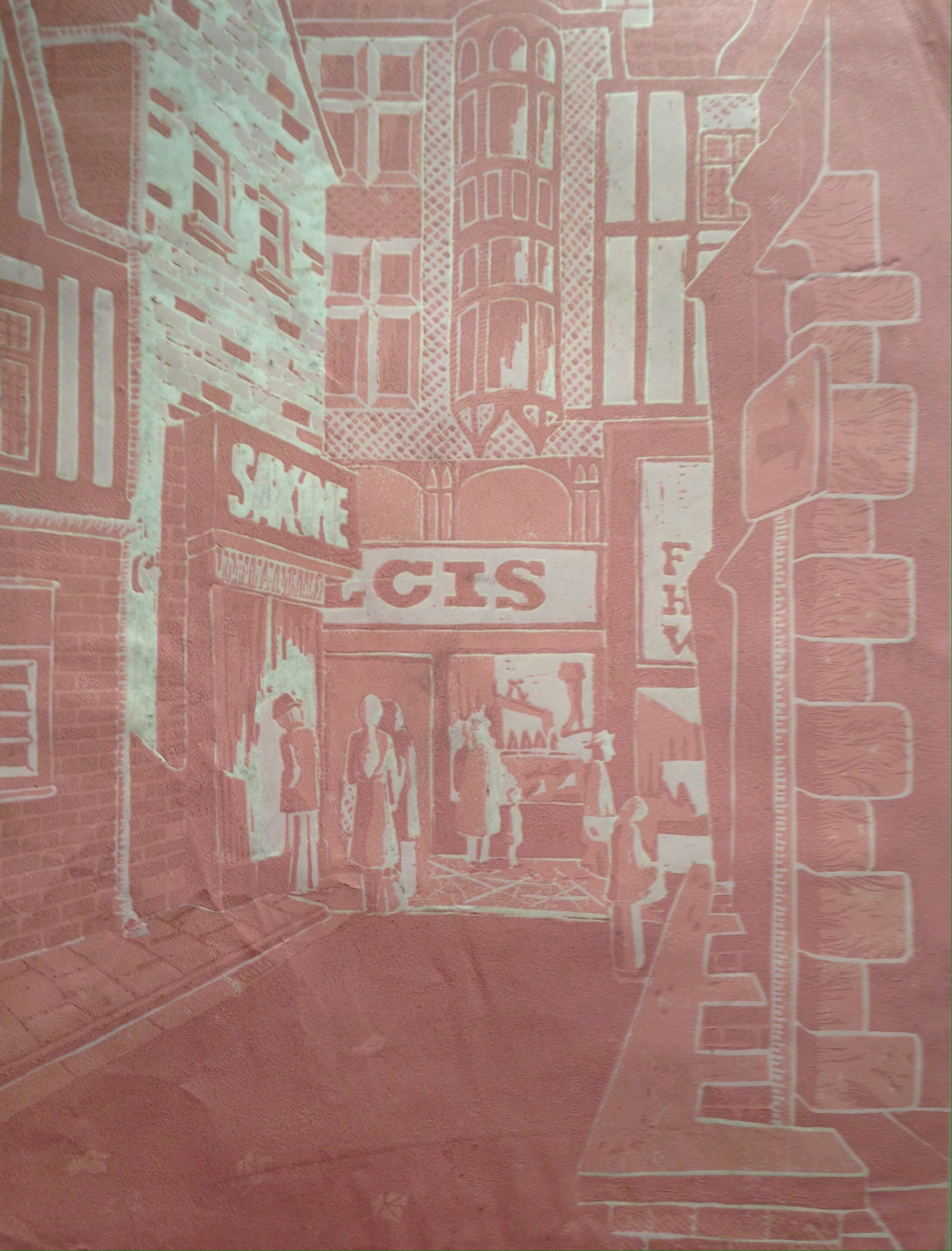
 I’m sure I once made a linocut of the view along Park Street, with Sanctuary records on the left and Ruddocks ahead. It’s filed somewhere safe…?
Ruddocks is an art materials shop, book shop, stationers (etc) and the place where you would always meet one or more friends. We used to ogle pastels, paints and inks before buying materials to make our school and college homework.
In recent years they’ve hosted art classes, including life drawing sessions with Roy Ridsdale. His classes were the only useful part of my foundation year at Lincoln College of Art. Life drawing is often dismissed as a waste of time. It isn’t, unless you’re in a badly lit room with an uninspiring tutor. I’ve seen videos of some life classes that look similar to watching Sid Vicious teach guitar lessons. Anyone would be bored in a class led by someone waffling about something they don’t understand… but maybe drawing can’t be taught. Learn by doing.
Ruddocks is closing soon, after 145 years. I bought all of my favourite pens there in the 1970s & 80s, also some very useful craft tools during my last visit (5 years ago!). There’s a whole essay to be written about the loss of creativity and crafts in schools, while C21st life is being dumbed down.
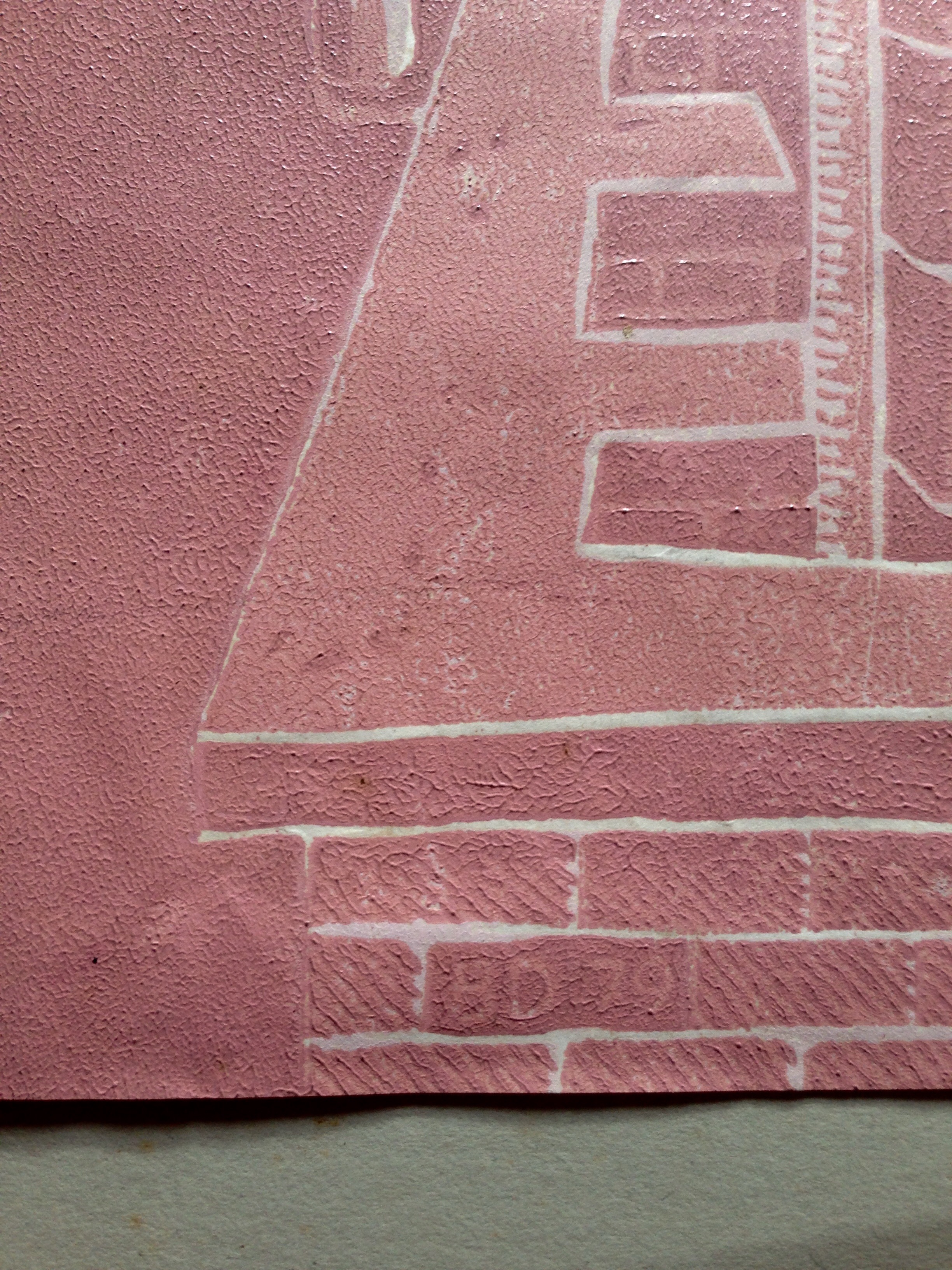
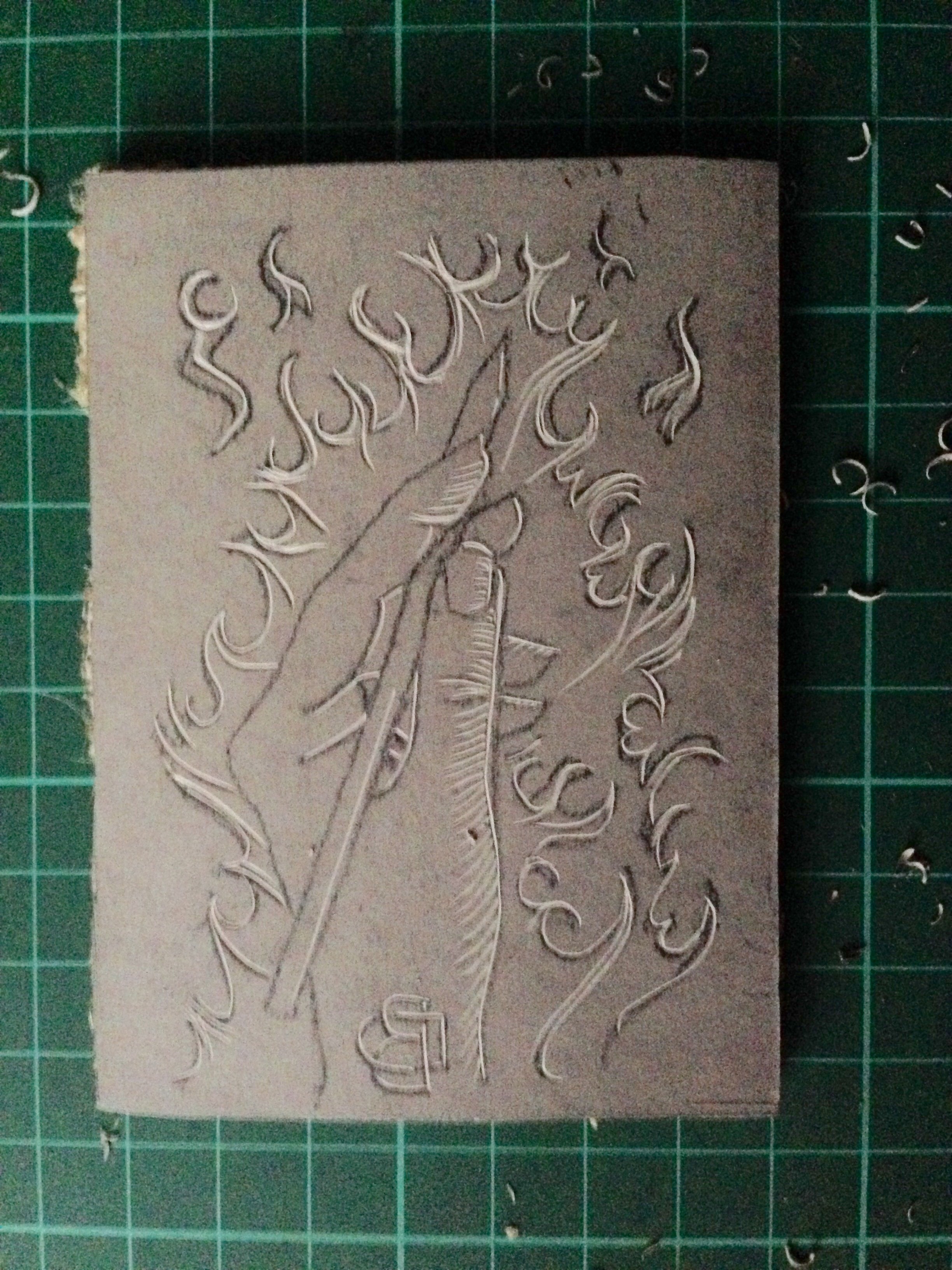
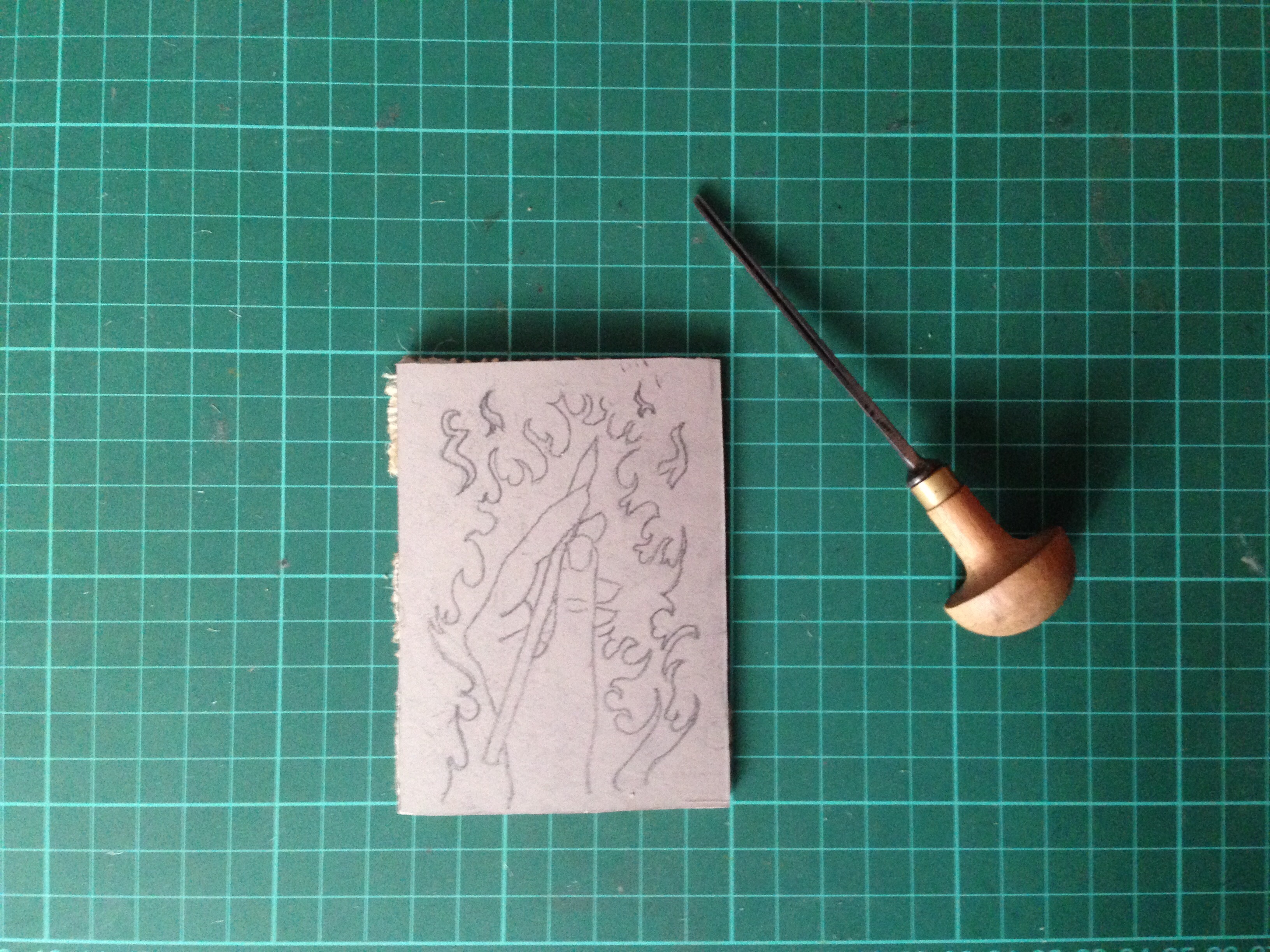
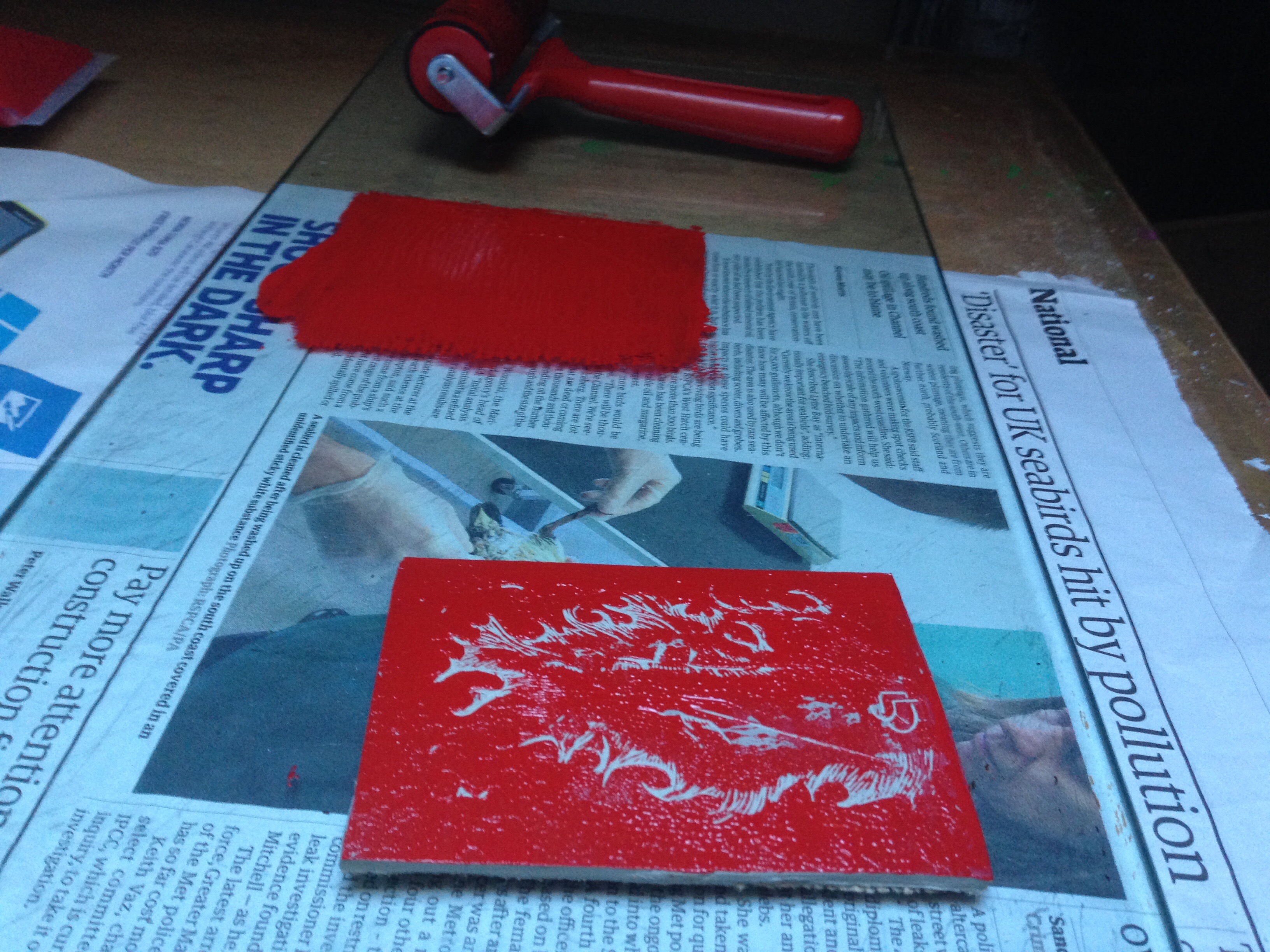
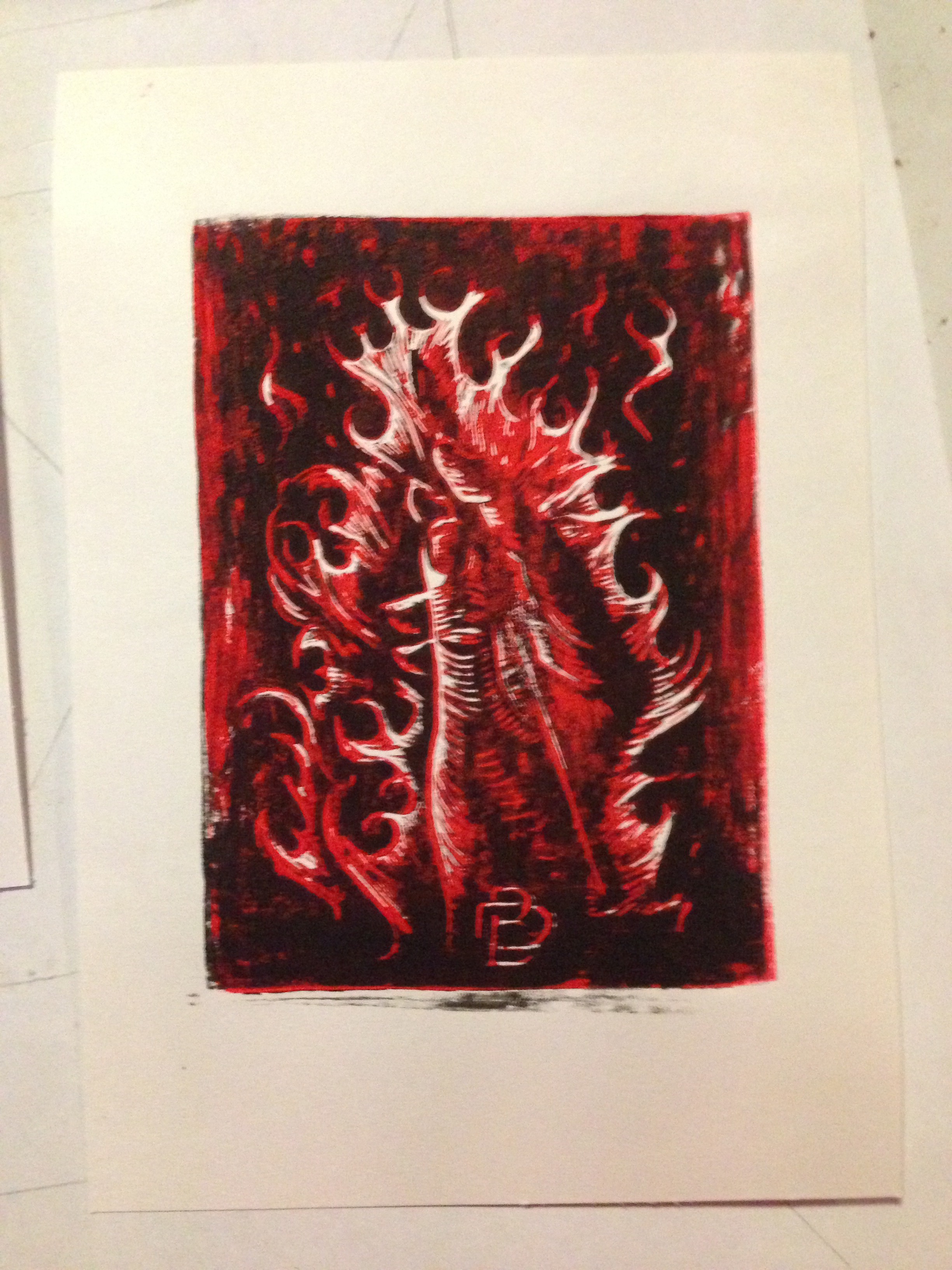
Anyway, this linocut, of a view further down the High Street, was made in 1979. There’s a clue at the bottom corner:



 berry daines